
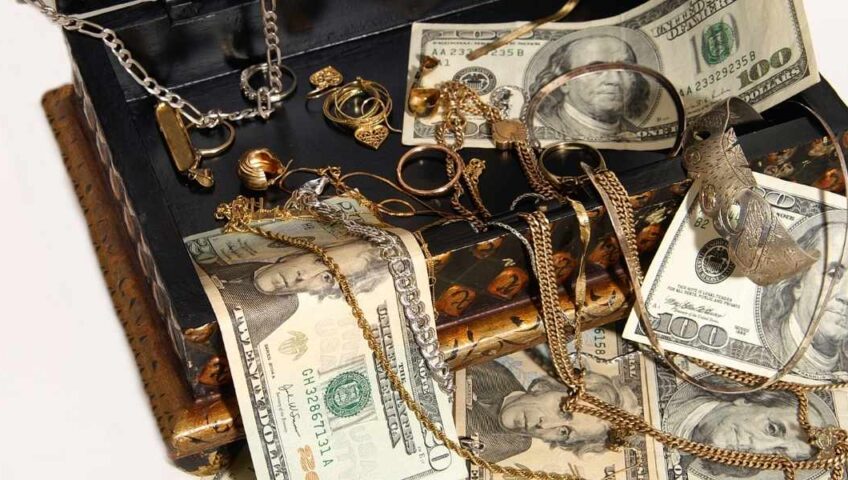
Gold is one of the few possessions that can be turned into cash within a day, but getting a strong offer takes preparation. Buyers pay for purity, weight, and market value, and even small details, like whether a piece is stamped 14K or 18K, can shift your payout by hundreds of dollars. With the right plan, you can present your items confidently, ask smart questions, and avoid common mistakes that cost sellers money. This guide explains how to check what you own, what to bring, and how to compare bids without stress. Whether you inherited a mix of broken chains and single earrings or you’re ready to sell a watch you no longer wear, the steps are the same: verify, organize, and negotiate.
If you prefer to sell locally, a reputable pawnshop near Dale City, VA can be a convenient starting point, especially when you come prepared. Below, you’ll learn the methods professionals use, testing for karat accuracy, weighing precious metal correctly, timing your sale around spot prices, and confirming fees up front, so you walk out with fair payment and no surprises. The goal is simple: turn unused jewelry into immediate cash while keeping every dollar you deserve firmly in your own pocket.
1. Check the Current Spot Price
Gold prices move daily, so check the live spot price, the trading value of pure gold, on the day you plan to sell. Spot is quoted per troy ounce; buyers convert it to grams or pennyweights for offers. While no one can predict short-term swings, you can avoid selling during obvious dips by reviewing a one- to three-month chart. If your needs allow, call ahead and ask when the store updates its rates. Timing your visit within the same pricing window helps protect your payout.
2. Organize and Identify Your Items
Lay out everything and separate real gold from plated or costume pieces. Look for karat stamps such as 10K, 14K, 18K, or 22K; European marks like 585 and 750 also indicate purity. Keep pieces with gemstones or luxury brands separate, since they may be worth more than melt value. Match single earrings, untangle chains, and remove non-gold parts like steel key rings or magnetic clasps that add weight without value. Bring any boxes, receipts, or appraisals; they help a buyer price items beyond scrap.
3. Weigh Accurately at Home
Gold is measured in troy units, not standard ounces. Ask the buyer which unit they use, grams or pennyweights (dwt), and write down each weight by karat group. For a quick home check, use a digital scale that reads to at least one-tenth gram. Do not include stones or clasps if they are not gold. When comparing offers, make sure you’re comparing the same unit and karat purity. Clear notes prevent confusion and make counteroffers easier because both sides see the same numbers.
4. Watch the Testing Process
Reputable shops test metal in front of you. Common methods include electronic testers, acid scratch tests on a touchstone, and X-ray fluorescence for precise reading without filing. Ask to see the test result and how it relates to the karat stamp, and request the reading by karat group. If a piece tests lower than stamped, ask for a second check using a different method. Avoid any buyer who disappears with your items to a back room. Transparent testing builds trust and ensures you’re paid for true purity, not an assumption.
5. Compare Multiple Offers
Call at least three buyers and ask two questions: what percent of spot do you pay for each karat, and are there fees or minimums? Check online ratings and look for clear, posted pricing. Some stores pay more for heavier lots or 18K and higher. Get written offers when possible, and ask if they price match with proof. A professional will explain deductions for stones, watch movements, or repairs so you know exactly how they reached the number on the check.
6. Bring Proper Documentation
Even though most gold sales don’t require formal certificates, having supporting paperwork makes a difference. Appraisals, receipts from jewelers, or warranty cards for brand-name watches reassure the buyer of authenticity. A driver’s license or government-issued ID is required by law in most states to prevent theft claims. Being organized speeds up the transaction and shows you’ve done your homework, often leading to smoother negotiations and fewer deductions.
Selling gold is more than walking into a store and accepting the first offer. The real value lies in knowing how purity, weight, and timing affect the payout. By preparing your items, confirming spot prices, weighing accurately, asking to witness testing, and comparing multiple offers, you’re far more likely to secure a fair price. If you’re ready to sell locally, visiting a trusted pawnshop near Dale City, VA gives you the convenience of immediate payment backed by professional expertise. For sellers who want to be certain they’re treated with honesty and respect, USA Gold & Jewelry Exchange is a reliable option. Contact us today to get a fair evaluation and walk away with confidence that you’ve received the best possible return.